In badminton, every rally begins with a battle for control — and one of the most effective ways to gain that control is through the net shot. This seemingly simple stroke is far more than just a soft touch near the net; it’s a strategic weapon that can determine the flow of the entire game.
When used correctly, the net shot allows players to create offensive opportunities by forcing the opponent to lift the shuttle, opening up the court for powerful smashes or quick attacking plays. In short, it helps you dictate the rhythm and tempo of the rally, putting your opponent on the defensive.
However, mastering this delicate shot is no easy task. The net shot demands finesse, balance, soft hands, and precise timing. Even experienced players can struggle with issues like hitting the shuttle too hard, failing to control the angle, or letting nerves affect their touch. A single mistake can send the shuttle into the net or give your opponent an easy kill opportunity.
At Racket Victors, we believe that mastering the fundamentals — like the net shot — is the foundation of becoming a smarter, more confident player. Our training guides, expert insights, and practical tips are designed to help you improve your skills, understand game strategy, and dominate every rally with precision and control. Whether you’re a beginner learning the ropes or a competitive player aiming to refine your technique, our resources will help you elevate your game and play with purpose.
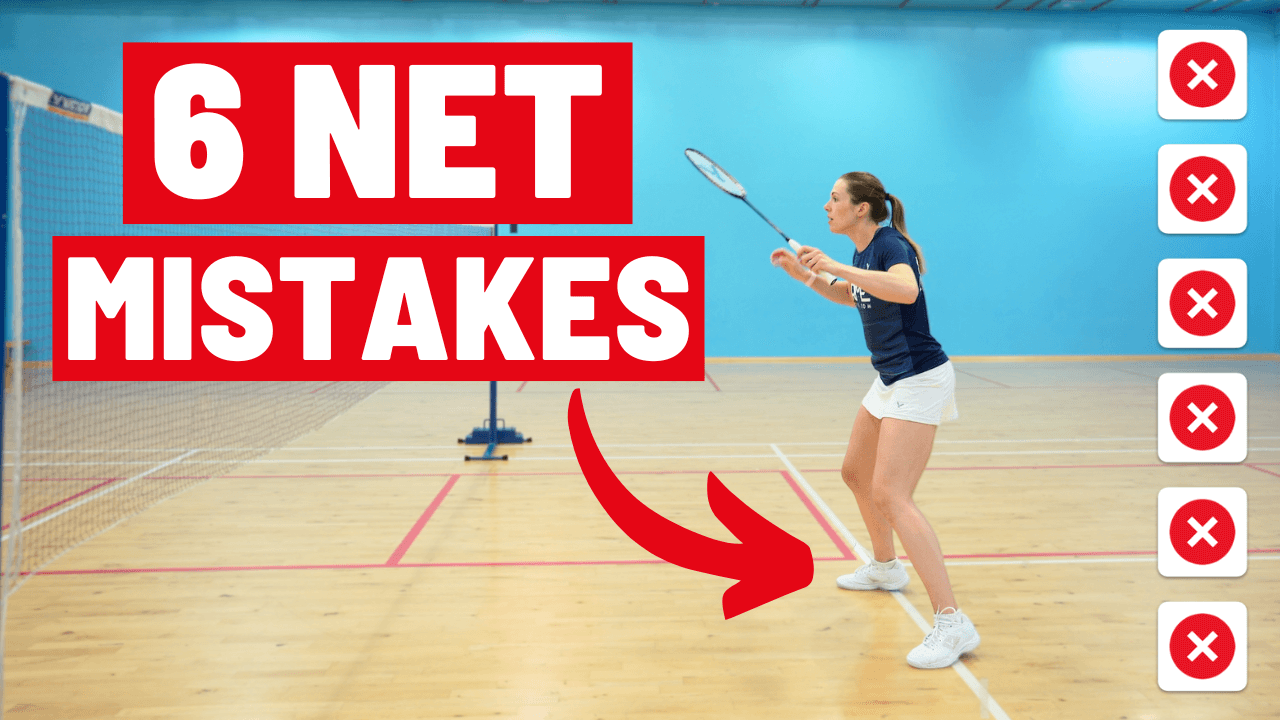
Common mistakes badminton player’s make at the net in doubles are:
- Only hitting straight shots
- Standing too close to the net
- Trying to play a winning shot too early
- Waiting with their racket down
- Not changing between grips quickly enough
- Staying in the middle
Mistake # 1- Only hitting straight shots
If you only play straight shots when striking the shuttle at net height or below, you’re limiting your game and giving your opponent an advantage. There are two main reasons for this.
First, sticking to straight shots makes your play highly predictable. Your opponent can easily read your intentions and get into position before you even make contact with the shuttle.
Second, straight shots don’t force your opponent to twist or change direction. Since players move fastest in straight lines, keeping their movement simple allows them to respond more quickly.
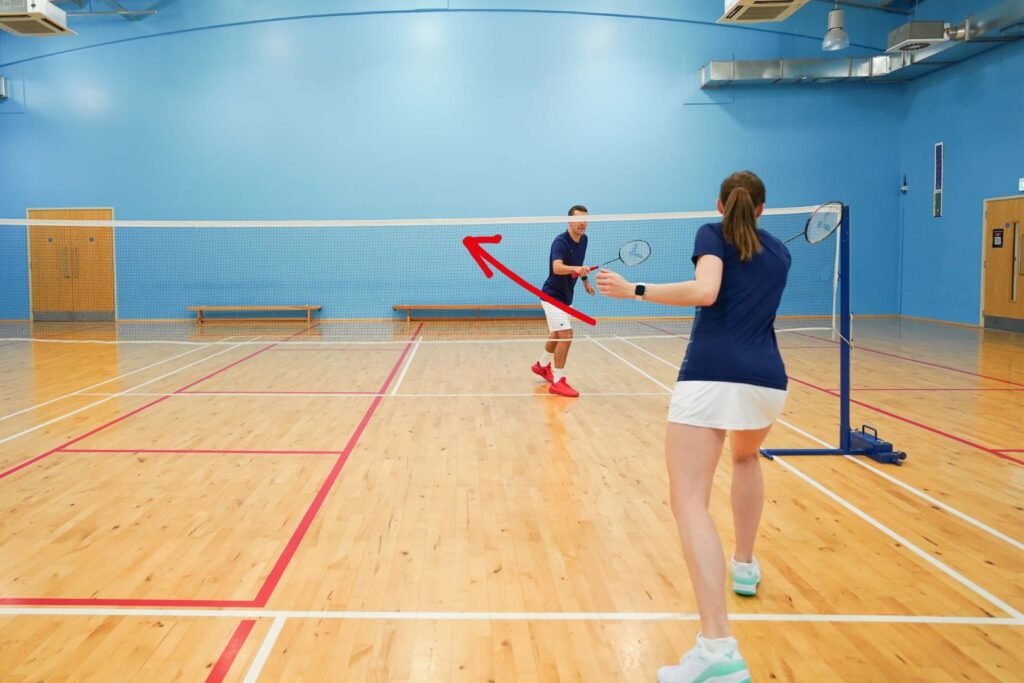
Instead of relying only on straight shots, try incorporating an often overlooked but highly effective technique the half turn to the middle. This subtle shot is a favorite among advanced players because it adds unpredictability and makes life much harder for their opponents.
Mistake # 2- Standing too close to the net
Positioning is one of the most underrated aspects of badminton, and one common mistake many players make is standing too close to the net. While it might feel like you’re ready to pounce on a tight net shot, being too close actually limits your effectiveness and puts you at a disadvantage. Here are four key reasons why keeping a little distance from the net can greatly improve your game.
1. Reduced Reaction Time
When you’re positioned too close, you give yourself very little time to react to powerful or fast shots. If your opponents play a quick drive or lift the shuttle at speed, you’ll find it extremely difficult to adjust your racket or footwork in time. This often leads to mistimed shots, weak returns, or even complete misses.
2. Limited Court Awareness
Just like reading a screen up close makes it harder to see the whole picture, standing too close to the net restricts your ability to read the game. You lose sight of your opponents’ body positioning, racket preparation, and potential shot angles.
3. Poor Court Coverage
Another major drawback of being too close to the net is that it leaves your partner responsible for covering nearly the entire back and midcourt. This unbalanced positioning puts extra pressure on them and limits your team’s defensive options.
What You Should Do Instead
So, what’s the better approach? The key is to stand slightly further back from the net. This small adjustment can make a big difference to your overall control and awareness on court.
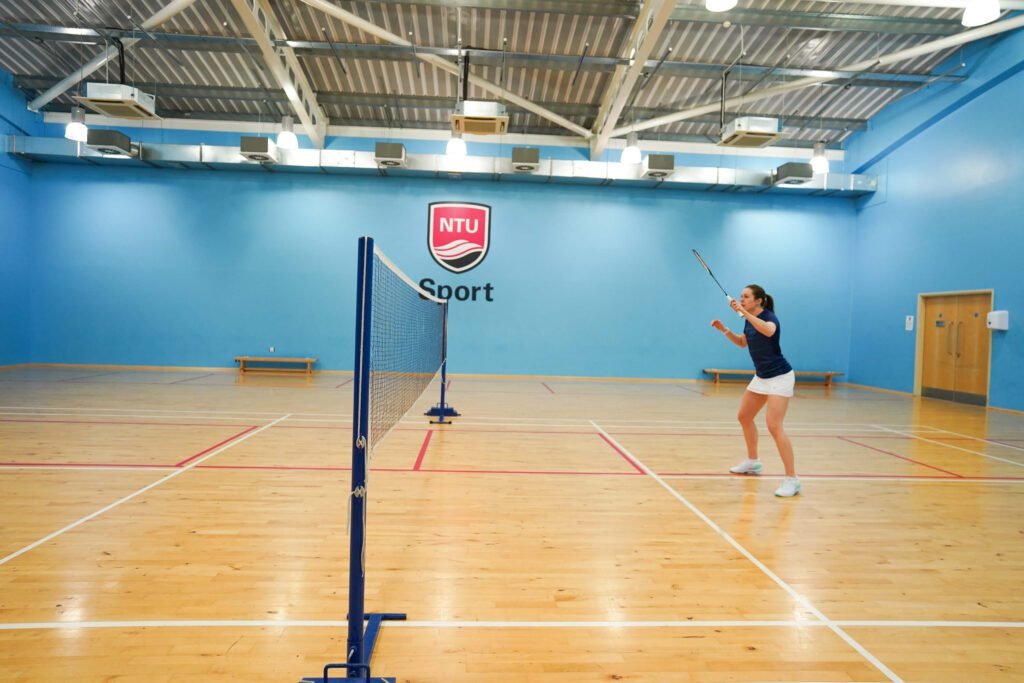
The ideal distance from the net isn’t the same in every situation it depends on the type of shot you or your partner have just played. Understanding when to adjust your position can make a huge difference to your defensive readiness and your ability to attack the next shot effectively.
Learning to judge and adapt your position based on each rally’s situation is what separates a good player from a great one — and mastering this awareness will instantly make your game more balanced and efficient.
Mistake # 3- Trying to play a winning shot too early
We’ve all experienced those moments when our opponent plays a weak defensive block, and we imagine stepping in to hit a perfect net kill winner. The reality, however, is that we don’t always reach the shuttle early enough to execute the shot as planned.
Being on balance allows you to place your shots accurately, control the rally, and create openings. Even if your shot doesn’t end the rally immediately, it can set up the next shot perfectly — either giving you or your partner the opportunity to finish the point. By prioritising controlled, well-placed pressure over rushing every chance at a winner, you’ll increase your consistency and make it much harder for your opponents to dictate play.
Mistake # 4- Waiting with their racket down
Many players make the common mistake of keeping their racket down by their ankles while waiting for an opponent’s shot. While it may feel relaxed, this position actually slows your reactions and reduces your effectiveness on court.
Instead of keeping your racket down, start raising your elbow as soon as you see your opponent preparing to hit. This “ready position” allows you to intercept shots earlier, maintain balance, and make your presence felt on court.
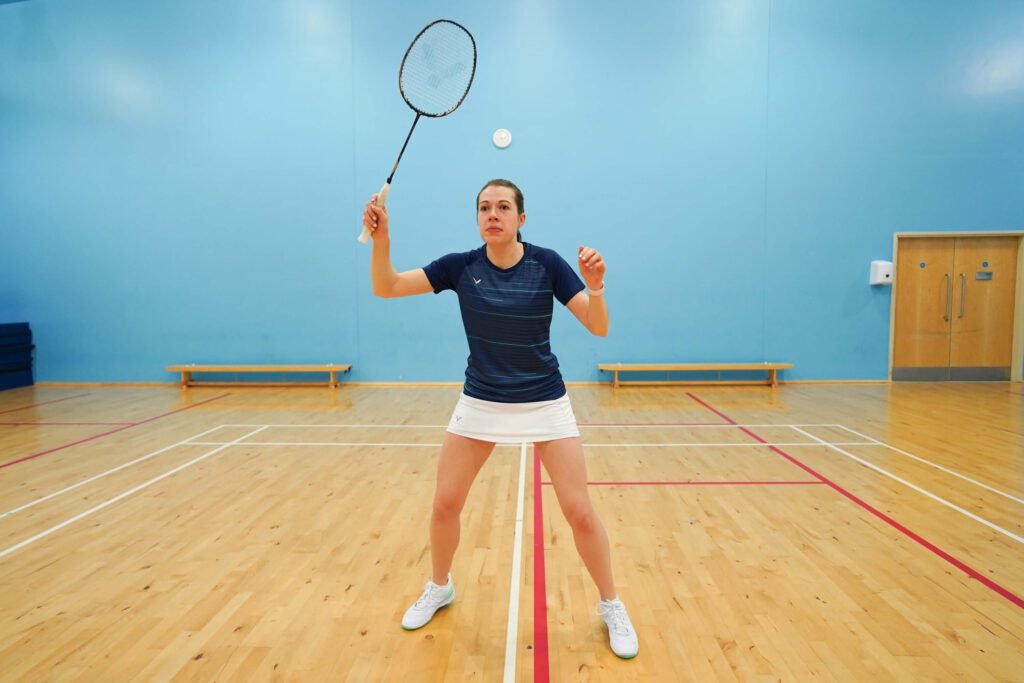
While it’s important to keep your racket up and ready, raising it too high can actually be counterproductive. Holding your racket too high can make your arm stiff and tense, which reduces your power and limits fluid movement.
The only players who can consistently afford to keep their racket low are exceptional pros with lightning-fast reactions, incredible racket speed, and the ability to read the game at an elite level like Kevin Sanjaya Sukamuljo or Hendra Setiawan.
Mistake # 5- Not changing between grips quickly enough
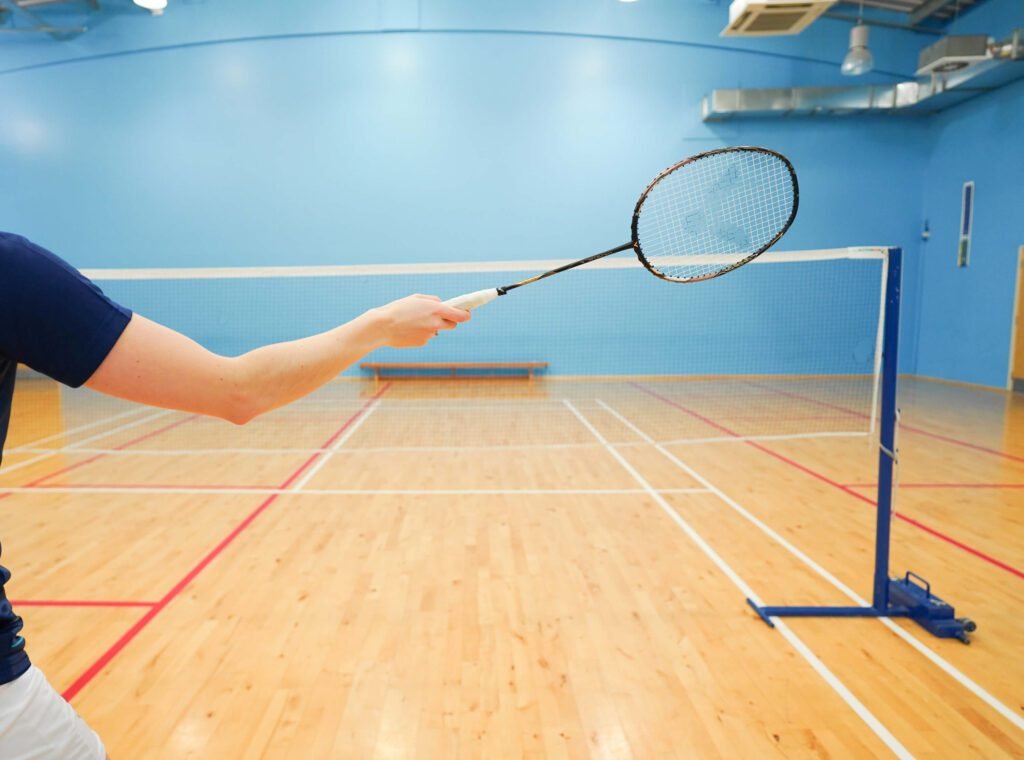
One of the key skills that separates consistent players from those who struggle with timing is the ability to switch grips quickly especially when moving between forehand and backhand shots.
By training your grip-switching skills, you’ll not only improve your timing and shot execution but also increase your overall court confidence, allowing you to handle fast rallies with greater control and composure. Over time, this small adjustment can have a major impact on your performance, making you more versatile and unpredictable to your opponents.
Mistake # 6- Staying in the middle
Positioning yourself right in the middle of the court might seem safe, but it often creates more problems than it solves. For you, it can be frustrating because it becomes difficult to reach a wide range of shots. At the same time, your partner is forced to cover both sides of the court, which adds unnecessary pressure and makes teamwork much harder.
So, what’s the better approach? Like many situations in badminton, the answer isn’t one-size-fits-all — it depends on the specific rally and positioning of your opponents. To make it easier to understand, we can break it down into two simple scenarios that frequently occur during a match. These examples will show how small adjustments in positioning can dramatically improve both your coverage and your team’s effectiveness on court.
Because of this subtle difference in the shuttle’s contact point, your partner will have less time to react to a cross-court shot. This is where your role becomes critical: by moving slightly out toward that side, you can intercept the shuttle before it travels too far, cutting off angles and reducing your opponents’ options. Not only does this help protect your partner, but it also gives you the chance to regain control of the rally. Developing this awareness and ability to anticipate where the shuttle is likely to go is essential for improving both court coverage and team coordination, turning potentially difficult situations into scoring opportunities.