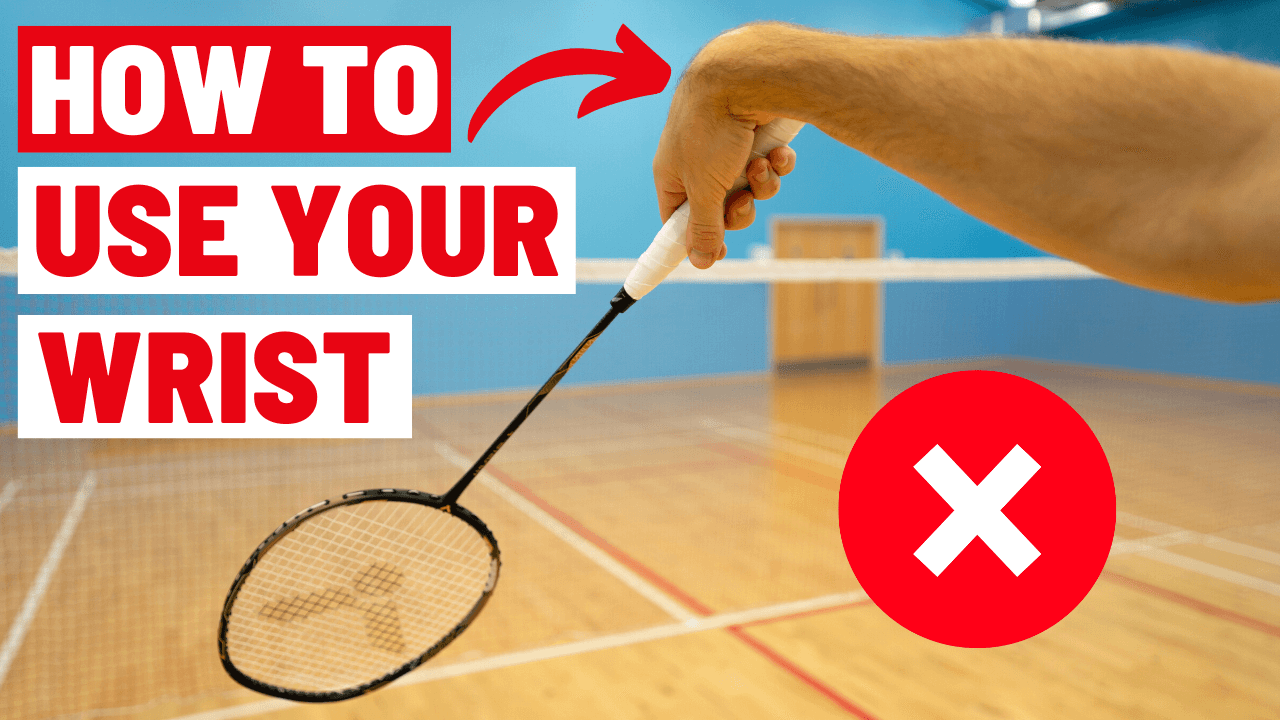
A lot of people use the WRONG wrist movement in badminton, causing them to lose power, control, consistency, deception, and also at times actually cause some pain!
The Impact On Power
when performing a backhand lift or drive, over-bending your wrist and then snapping it forward doesn’t really create more power—and it can easily lead to a wrist injury.
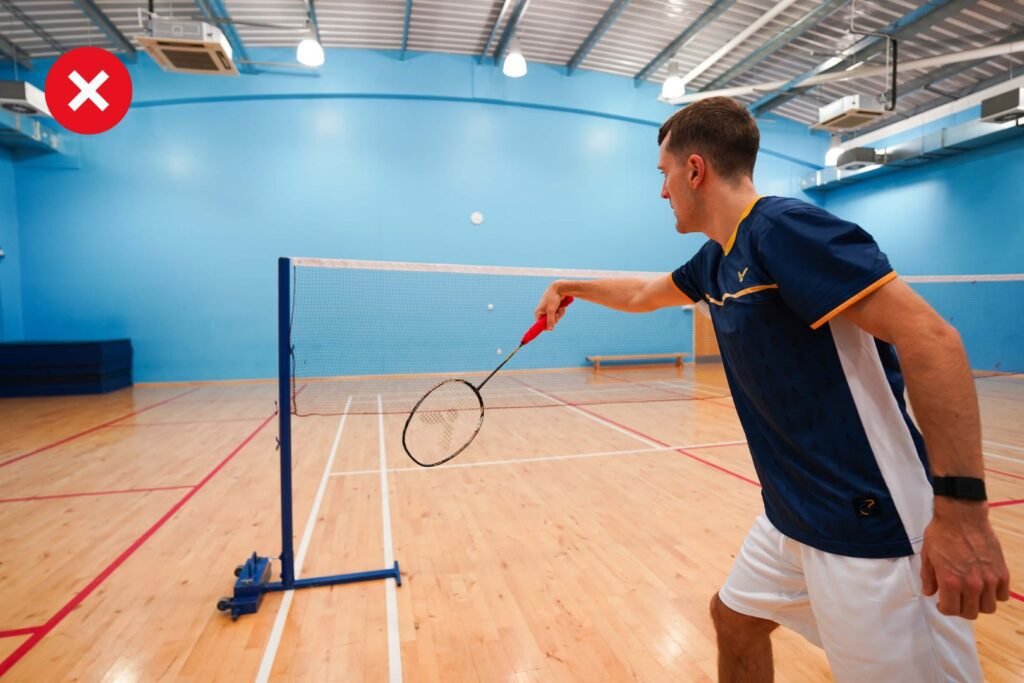
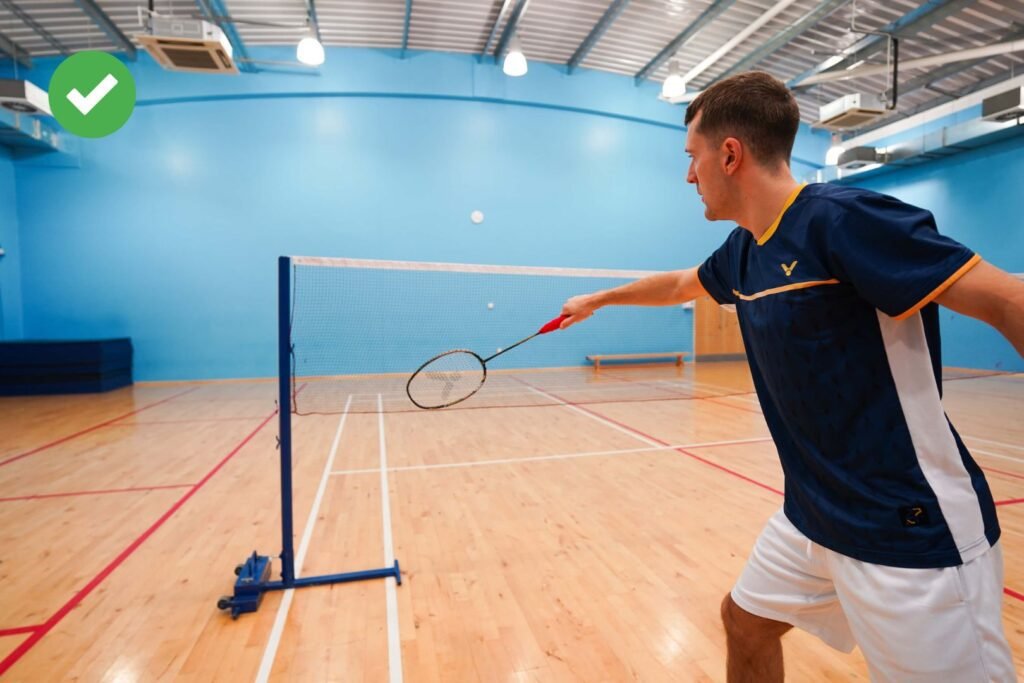
Though you do need to use your wrist a little, you should aim to keep your wrist much flatter, and use your thumb to squeeze against the wide part of the grip and accelerate into the shot.
By keeping your wrist flatter and squeezing your thumb, it also engages your forearm much more which helps add power.
The Impact On Control And Accuracy
Think of it like darts: hitting a triple 20 instead of a single 1 comes down to tiny, precise movements. The players barely move their wrists at all, instead relying on their index finger and thumb to control the shot with ultimate precision.
In badminton, it’s the same idea. To achieve maximum control and accuracy, we need to become skilled at using our fingers and thumb.
The less your body rotates during a shot, the more important this becomes, because you don’t have the momentum from a full-body swing. Take the backhand serve, for example. Here, the power and accuracy often come from squeezing with your fingers and thumb, especially on a flick serve, rather than relying on your body rotation.
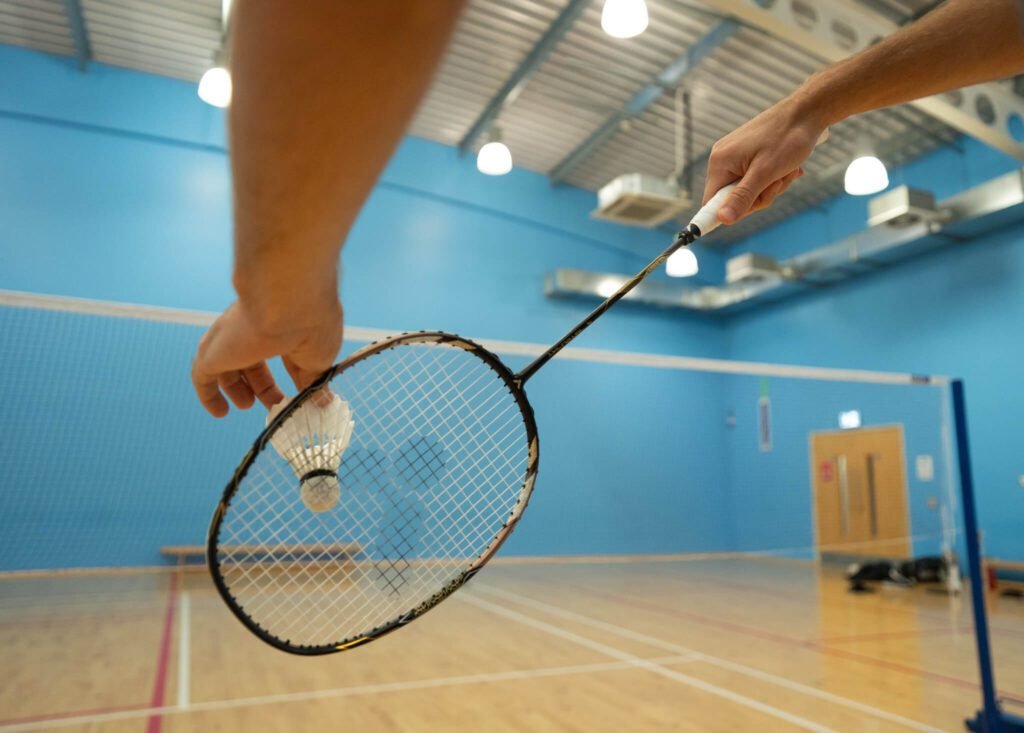
But it’s important to mention – you do still need to use your fingers and thumb when you are rotating!
When you’re smashing or hitting a late backhand for example, you use your fingers and thumb at the final stage of the shot which helps with accuracy and power. Your fingers and thumb aren’t the main component, but it’s a combination of all the factors such as your rotation, footwork, swing speed and timing.
The Impact On Grip Changes
Players who rely too much on their wrist often struggle to switch between grips quickly, especially moving from a forehand to a backhand grip.
Overusing the wrist usually creates a bigger follow-through, which can make it hard to adjust your grip in time for the next shot.
For instance, if you hit a forehand drive with a large follow-through and the shuttle comes back quickly, you might not have enough time to switch into a backhand grip. In that case, you’ll be stuck in the forehand grip and forced to use your wrist to generate power, rather than using your thumb for control and precision.
How To Use Your Fingers And Thumb
Although we’ve often mentioned “fingers and thumb” together, there are shots where the thumb isn’t actively used—its main job is simply to maintain a secure grip and keep the racket from slipping.
However, you use some finger squeeze in every shot in badminton. Top players are especially good at this, whether it’s adding power and deception in overhead shots or improving accuracy on net kills.
Keeping a relaxed grip until the shuttle makes contact is crucial. Using your fingers and thumb is the fastest way to twist and turn the racket, much quicker than moving your entire wrist.
Because the shuttle moves so fast, even tiny delays matter. Make sure you’re holding the racket lightly and not squeezing too tightly before hitting a shot—this small adjustment can make a big difference in control and precision.
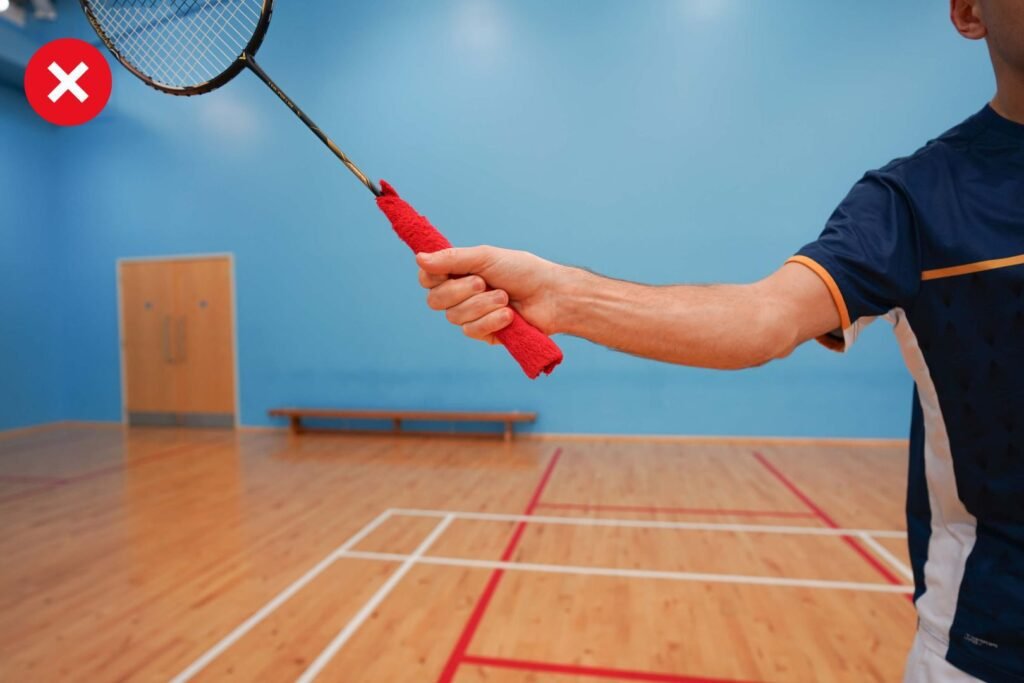
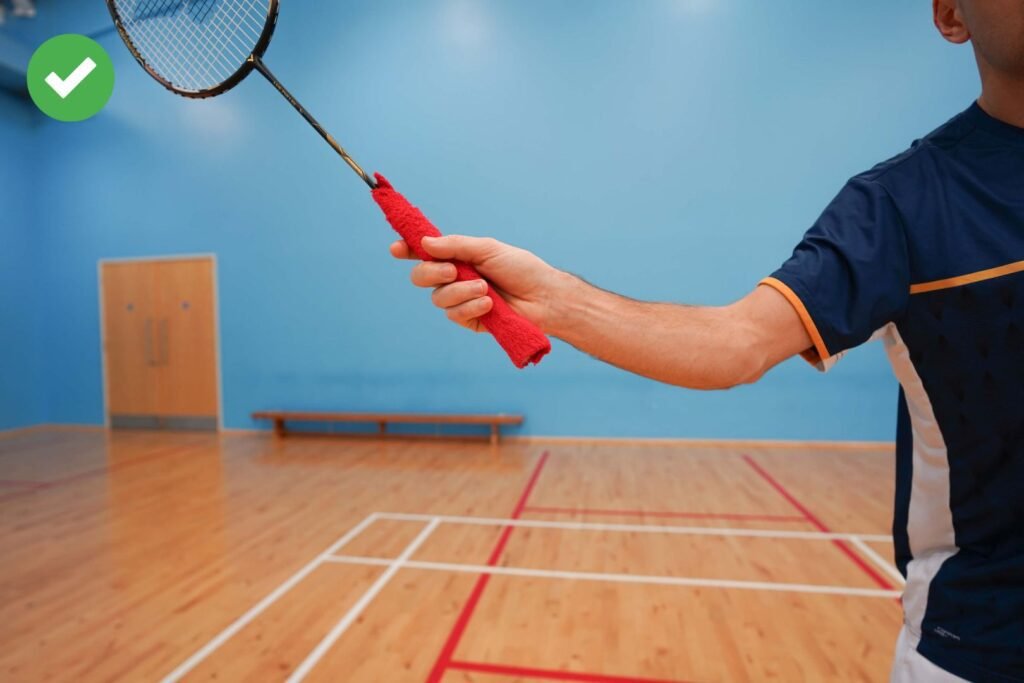
4 Ways To Easily Practice Using Your Fingers And Thumb (And Improve Consistency)
Practice 1 (No Court Or Shuttle Needed)
This practice can be done at home, and you simply need to have your racket in hand, then practice changing between a forehand and a backhand grip and squeezing to hit a shot after each grip change. You can do this whilst replicating hitting net kills, drives, lifts, or net shots.
This might seem basic (and also boring!), but this is a great way to practice not only changing between the different grips, but also keeping your fingers and thumb loose and then squeezing them to recreate the feeling of adding power into the shot!
Practice 2 (No Court Needed)
Try hitting a shuttle continuously, focusing on making your swing as short as possible while still getting maximum height on each shot. Start on the forehand side, then move to the backhand side, and finally try alternating between the two.
This exercise is excellent for developing control and precision. It encourages you to rely on your finger squeeze to generate power rather than swinging your whole arm, and on the backhand side, it also helps you make effective use of your thumb. Over time, this will improve your ability to execute quick, sharp shots during fast rallies and make your strokes more efficient and controlled.
Practice 3 (On-Court)
In this drill, the focus is on practicing the different shots and skills you use most in badminton.
Below Net Height
Work on using your fingers and thumb to generate both power and control in your lifts. One way to do this is by repeatedly lifting the shuttle to a partner who is dropping it back to you. If your partner can’t consistently drop the shuttle, or if you want more time to focus on your own feedback between shots, they can throw the shuttles over the net instead. When throwing, they should aim for precision, using their fingers to mimic the natural feel of a shuttle rather than just tossing it.
Many players struggle with backhand lifts, so here’s a tip to improve this shot: try removing the three fingers from the racket for the entire lift, leaving only your thumb and index finger on the handle. This forces you to rely solely on those two digits, helping you feel and control the shot more effectively. Once you’re comfortable with this, add the other three fingers back onto the racket to regain a bit more stability and control, while still maintaining the improved precision from the thumb and index finger.
This drill is excellent for building finger strength, control, and touch, all of which are essential for sharp, accurate lifts and fast, reactive play around the net.
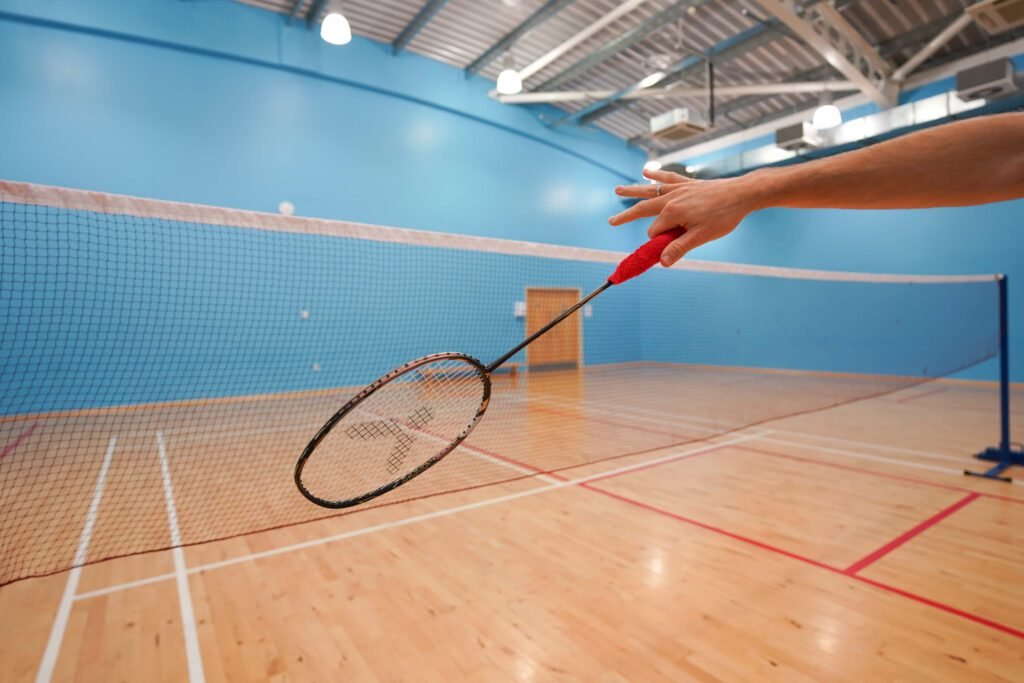
You can also practice your net shots, experimenting with how much you need to squeeze your fingers and thumb to hit a tight net shot from varying positions.
Above Net Height
Next, focus on experimenting with your fingers and thumb in the rear court and on shots played above the net. Mastering this can greatly improve both control and deception in your game.
Here are a couple of examples showing why finger and thumb control is so important in the rear court:
- The Attacking Punch Clear: You position yourself as if you’re going to play a drop shot or smash. The key to deceiving your opponent is squeezing your fingers and thumb at the last possible moment to execute a punch clear instead. This subtle adjustment can completely catch your opponent off guard.
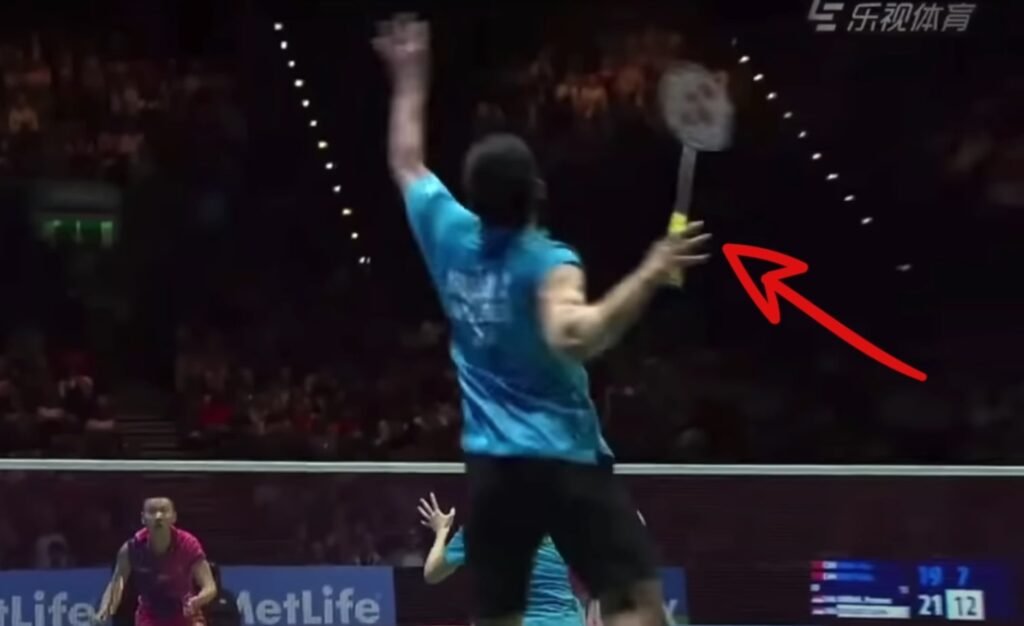
- The Smash: Practice the timing and amount of grip squeeze, along with coordinating your wrist movement. Watch players like Praveen Jordan—notice how relaxed his grip and wrist are right before the smash. This combination of a relaxed hold and precise finger/thumb action helps generate maximum power, speed, and accuracy.
Practice 4 (On-Court Single Shuttle)
One effective drill involves one player at the net tapping the shuttle down while the other defends on a half-court. This exercise is excellent because it forces both players to rely on their fingers and thumb. If you don’t, you won’t have the necessary accuracy, power, or control to keep the rally going.
There are two main reasons this drill is so valuable:
- Control and Recovery: If you rely too much on your wrist during a defensive shot, your racket swing will have a bigger follow-through. This longer swing makes it harder to get your racket back into the ready position, putting you under more pressure and making it difficult to maintain the rally.
- Defensive Power: You also need to generate enough power in your defensive shots to allow the net player to continue attacking. Being able to defend with power is crucial—it enables you to respond effectively from different positions on the court and improves your overall shot variety.
This simple drill, when done consistently, strengthens both finger control and tactical awareness, making your defensive play sharper and more effective.
Learn More
We hope you’ve now learned more about how to use your wrist, fingers and thumb in badminton to help you generate power, control, consistency, deception, and also eliminate any wrist pain!